Raspberry Pi Prices Surge as AI Eats the World
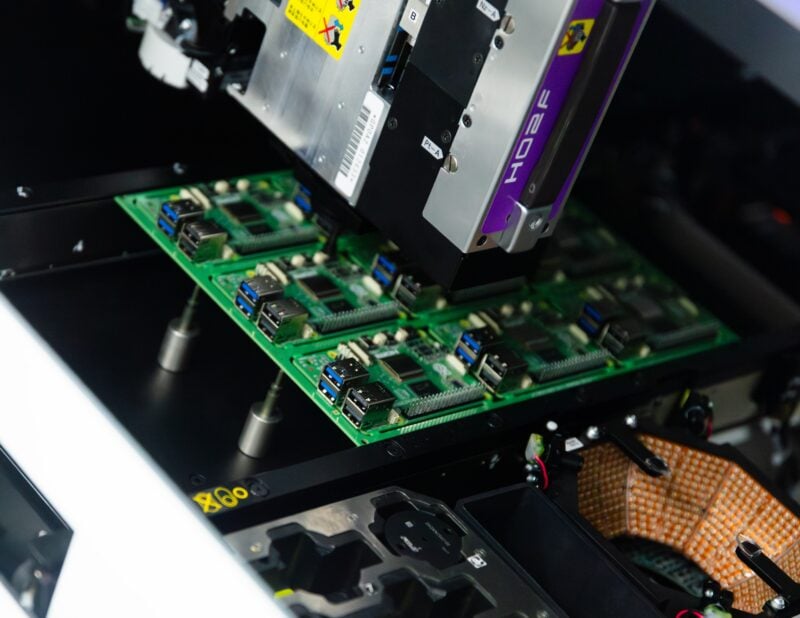
Fueled by the massive AI infrastructure boom, global memory shortages have forced Raspberry Pi to implement significant price hikes across its high-RAM models.
The Global Memory Crunch
In an official update from Raspberry Pi CEO Eben Upton, the company announced that 2026 is shaping up to be a difficult year for enthusiasts and industrial partners alike. The core of the problem lies in the unprecedented demand for LPDDR4 memory fab capacity, which is currently being prioritized for massive AI data centers. This "AI gold rush" has caused the cost of some semiconductor components to more than double over the last quarter.
As a result, Raspberry Pi has been forced to pass these costs onto consumers to maintain production viability for their popular single-board computers.
Breaking Down the New Pricing
The price increases specifically target models with 2GB of RAM or more. The 1GB entry-level variants have been strategically protected to keep the barrier to entry as low as possible.
Price Increase Tiers:
2GB Models: +$10
4GB Models: +$15
8GB Models: +$30
16GB Models: +$60
Affected products include the flagship Raspberry Pi 5 and Raspberry Pi 4, as well as the newly released Raspberry Pi 500 and 500+ all-in-one PCs. Interestingly, the Raspberry Pi 400 remains at its original $60 price point for now, making it a sudden bargain in the lineup.
Protecting the Budget User
Despite the grim news, there is a silver lining for those on a strict budget. The company has successfully maintained the $35 price tag for the 1GB Raspberry Pi 4 and the $45 price for the 1GB Raspberry Pi 5. Additionally, older products like the Raspberry Pi Zero and Pi 3 are unaffected, as the company holds several years' worth of inventory for the older LPDDR2 memory those models utilize.
"The current situation is ultimately a temporary one, and we look forward to unwinding these price increases once it abates." — Eben Upton, CEO of Raspberry Pi
Looking Ahead
While 2026 remains a "challenging year," the Raspberry Pi Foundation insists that these hikes are not permanent. The organization plans to lower prices as soon as the global memory market stabilizes. For now, makers and engineers are being encouraged to optimize their software for lower-memory models or look toward the older Pi Zero range for smaller projects.
Read next
Want more?
See what's trending right now