2026: The Year AI Chips Redefine the Global Industry
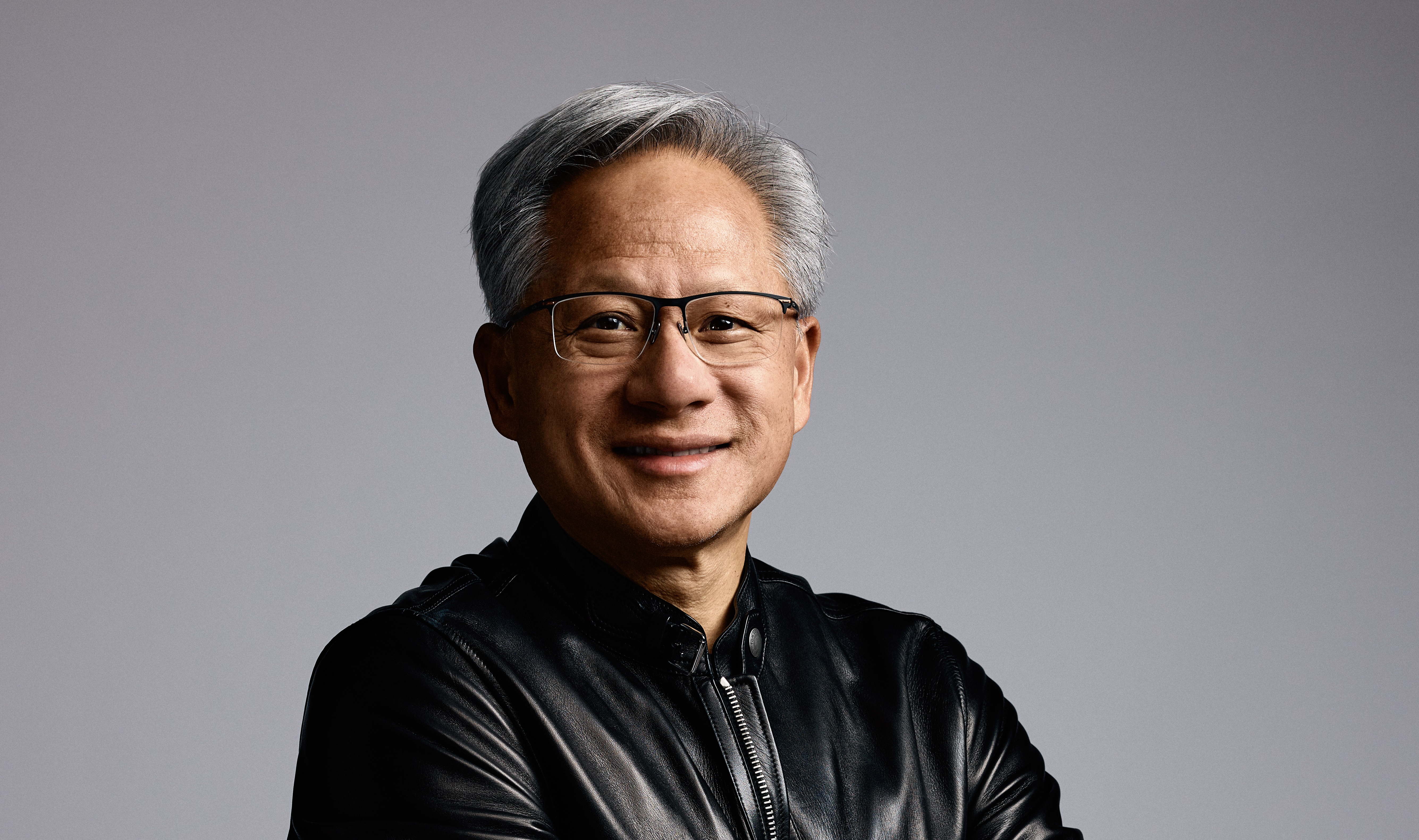
Nvidia CEO Jensen Huang predicts that 2026 will be a "huge year" for the semiconductor industry, driven by a massive transition to agentic AI and next-generation Blackwell and Rubin architectures.
The Trillion-Dollar Vision
During a high-profile gathering in Taipei—dubbed the "trillion-dollar banquet" by local media due to the immense net worth of the attendees—Nvidia CEO Jensen Huang shared an optimistic outlook for the near future. Addressing key partners including TSMC, Foxconn, and Quanta Computer, Huang emphasized that 2026 will be a pivotal year for both the chip industry and the artificial intelligence sector.
Transitioning to the "Rubin" Era
According to reports from CNBC and The Liberty Times, a major catalyst for this growth is the rollout of Nvidia’s newest platforms. While the Blackwell architecture is currently in high demand, Huang confirmed at CES 2026 that the upcoming Rubin platform is already in full production.
This new generation of processors is expected to:
Deliver five times the AI computing power of previous generations.
Power the shift toward "Agentic AI"—systems that don't just chat but execute complex tasks autonomously.
Support what Huang describes as the "largest infrastructure buildout in human history."
A Sustainable Seven-Year Cycle
Addressing concerns regarding a potential "AI bubble," Huang told CNBC that the current buildout of AI infrastructure is sustainable and likely to continue for seven to eight years. He dismissed fears of overcapacity, noting that unlike the early days of the internet, today’s AI infrastructure is immediately utilized by companies like OpenAI, Anthropic, and Meta to generate revenue.
"The demand is going through the roof. 2026 will be a huge year for our partners in Taiwan and the entire global ecosystem." — Jensen Huang, CEO of Nvidia
Global Impact and Supply Chain
The scale of this expansion is reflected in the capital expenditure of tech giants. Companies like Microsoft, Google, Meta, and Amazon are projected to spend roughly $650 billion on AI tools in 2026 alone. To meet this insatiable hunger for silicon, Huang warned that partners like TSMC may need to double their capacity over the next decade to maintain the pace of innovation
Read next
Want more?
See what's trending right now